
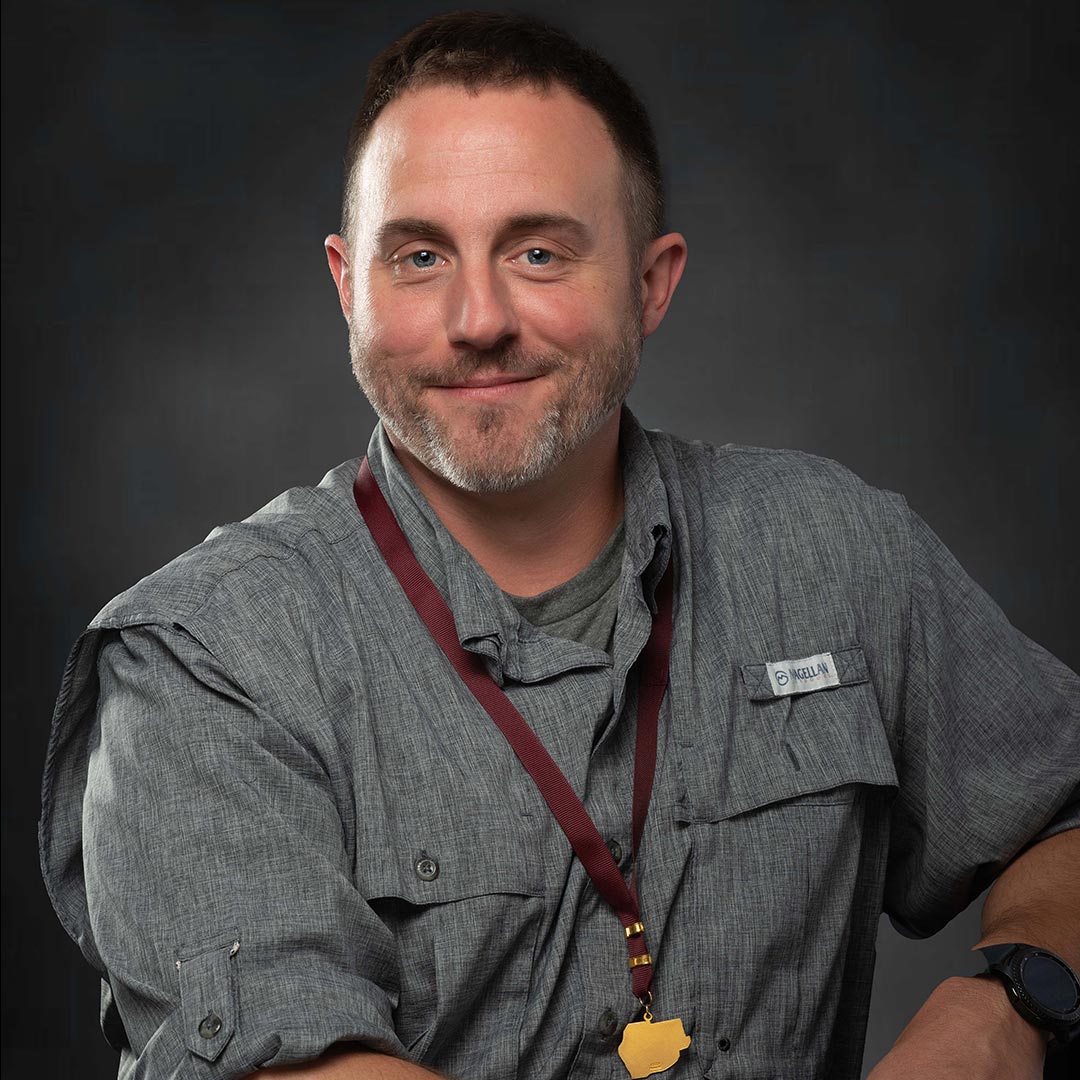
Tim Bradshaw
Specialty: Conceptual/Storytelling
Tim is a photographer from South Central Missouri who specializes in conceptual/composite photography. Award winning in 4 states for his digital artistry and storytelling, his unique directorial approach to posing and connecting to his subjects allows him to capture raw emotion in every frame.
Follow Tim Bradshaw:
Tim Bradshaw’s Classes:
Shooting With Intent: Directorial Psychology and the Death of Spray-and-Pray Portraiture
Class Description:
Let’s be honest: if your current directorial strategy is to hold down your shutter button at 14 frames per second and pray to the photography gods that a genuine human emotion accidentally happens between the blinks… you aren’t running a portrait session. You’re playing a lottery. And your hit rate is terrible. True portraiture requires absolute intentionality. This intensive hands-on class is the aggressive intervention you need to cure chronic “spray-and-pray” habits. First, you will watch a brief live demonstration that strips away the guesswork. I will show you how to use interpersonal psychology, immersive storylines, and even music to build instant, unshakeable rapport, read micro-expressions, and focus entirely on the exact moment to hit that shutter button.
Then, the safety net is gone. The room will be divided into structured shooting bays. You will step up to a bay, draw a challenge card detailing a target emotion/storyline, and get a grand total of three frames to capture the definitive shot. No filler, no safety nets, and absolutely no follow the leader or over the shoulder shooting. Each bay features a dedicated model and a completely locked-in lighting configuration (constant light or locked strobes). No gear tweaking allowed. No light adjustments. We remove the technical distractions entirely so attendees are forced to look their subject in the eyes. We will reconvene at the end of class time for Q&A/Feedback.
What you will learn:
How to replace rigid physical posing with action-oriented psychological prompts that yield unposed, cinematic expressions.
How to use non-visual tools (targeted storylines, vocal pacing, and audio tracks) to systematically extract vulnerability and character.
How to look through the viewfinder and read facial transitions so you only fire at the absolute peak of narrative weight.
Gear to bring: Camera body, portrait lens (24-70mm, 50mm, or 85mm), and an empty memory card.
What to Bring to Class:
Attendees must have a solid grasp of manual exposure controls. Each of the Challenge Cards will have a suggested exposure setting ISO/Aperture/Shutter Speed. Not required, but In-Camera metering would be helpful. (Remember you only have 3 frames to get the shot, this includes test fires) This class does not cover basic camera settings; it focuses entirely on the psychological art of subject direction and intentional capture, everything you do before you lift your camera is going to matter here.
Required Gear:
DSLR or Mirrorless Camera body.
A versatile portrait-length lens (e.g., 24-70mm, 50mm, or 85mm).
An empty memory card.
A “Can-Do Attitude”
Mandatory Setting Requirement: You must know how to switch your camera’s drive mode out of “Continuous High Speed” and into “Single Shot.” Continuous burst shooting is strictly banned in this workshop. If you shoot more than instructed, you will be asked to sit out the hands-on portion.